


Dental Care During Pregnancy Uganda: Safe Treatment at Uriel Dental Clinic

Expecting a child brings countless questions about health, nutrition, and medical safety. For expectant mothers, knowing the facts regarding dental care during pregnancy Uganda is absolutely critical. Avoiding the dentist out of fear is a common reaction, but it is medically unadvisable. Routine checkups, professional cleanings, and essential dental treatments are entirely safe and actively recommended throughout pregnancy. Uriel Dental Clinic provides expert, clinically verified care designed to protect both the mother and the developing baby.
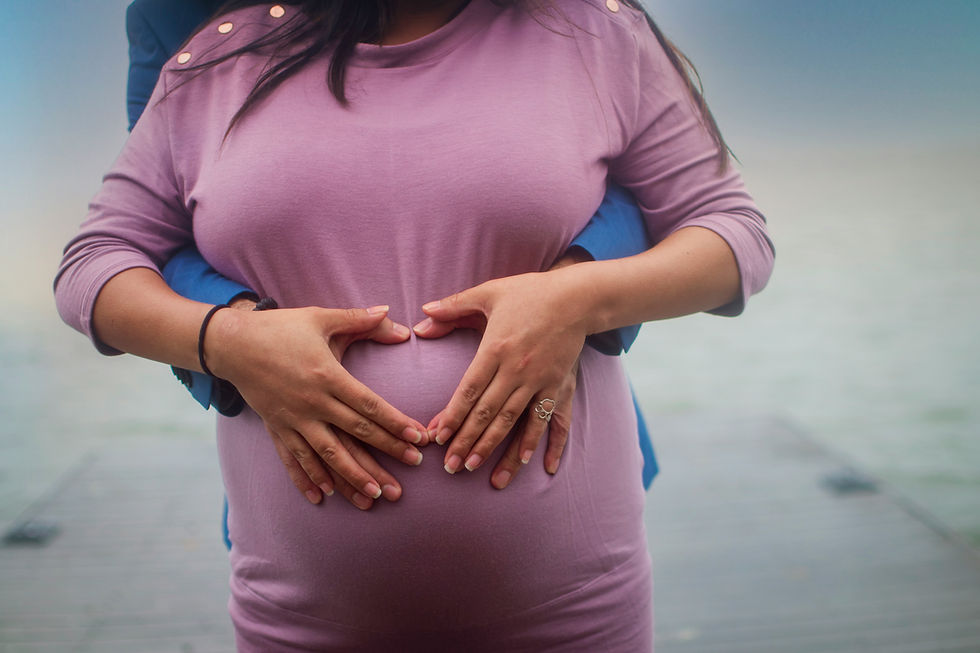
Dental Care During Pregnancy Uganda: What Procedures Are Safe?
A widespread misconception exists that expectant mothers should avoid the dental chair entirely until after delivery. Clinical guidelines from leading global health authorities clearly state the opposite. Preventive care is essential during pregnancy to avoid oral infections that can complicate maternal health.
Routine procedures such as comprehensive examinations, scaling and polishing, and the placement of standard dental fillings are entirely safe. If a pregnant woman develops a severe toothache due to deep decay, necessary procedures like root canals or tooth extractions must be performed to eliminate the infection. Allowing an active bacterial infection to remain in the mouth poses a far greater risk to systemic health than the dental procedure required to fix it.
However, timing and necessity dictate the treatment plan. Elective cosmetic procedures, such as teeth whitening or the placement of elective veneers, should always be postponed until after the baby is born. The clinical team at Uriel evaluates every expectant mother individually, ensuring that only necessary and preventive procedures are conducted during the gestational period.
Understanding Pregnancy Gingivitis Uganda
The body undergoes profound hormonal shifts during pregnancy, particularly a significant increase in progesterone and estrogen levels. These hormonal changes exaggerate the way the gum tissues react to the presence of plaque. This heightened biological response frequently leads to a condition known as pregnancy gingivitis.
Symptoms of pregnancy gingivitis include red, swollen, and tender gums that bleed easily when brushing or flossing. This condition typically begins in the second month of pregnancy and peaks around the eighth month. If left untreated, pregnancy gingivitis can progress into a more severe form of periodontal disease, which involves the breakdown of the bone supporting the teeth. Expectant mothers experiencing these symptoms should consult Uriel's periodontics specialists for professional intervention.
Regular professional cleanings remove the hardened tartar that brushing alone cannot eliminate. By actively managing plaque levels, the clinical team helps expectant mothers control gingival inflammation, ensuring their oral health remains stable throughout the entire pregnancy.
Is a Dental X-Ray Pregnancy Safe Uganda?
One of the most frequent concerns expectant mothers raise is the safety of dental radiography. Diagnostic imaging is sometimes necessary to identify hidden decay, bone loss, or the source of acute dental pain. The clinical consensus is clear: modern dental X-rays are safe during pregnancy when proper safety protocols are strictly followed.
Uriel Dental Clinic utilises highly advanced digital imaging technology. Digital X-rays emit a fraction of the radiation produced by traditional film X-rays. Furthermore, the radiation is highly targeted to the specific area of the mouth being examined. To ensure absolute protection, the clinical team routinely uses lead aprons and thyroid collars. These protective physical barriers prevent any scatter radiation from reaching the abdomen and the developing fetus.
While X-rays are safe, Uriel operates on a principle of clinical caution. Routine diagnostic X-rays are often deferred until after the birth unless there is an active dental emergency that cannot be diagnosed through a visual examination alone.
Local Anaesthetic and Safe Dental Treatment Pregnancy Uganda
When an expectant mother requires a filling, a root canal, or an extraction, numbing the area is necessary to ensure the procedure is successfully completed. Questions regarding whether the numbing medication will harm the baby are common and entirely understandable.
Clinical studies and dental guidelines confirm that local anaesthetics, such as lidocaine, are safe for use during pregnancy. These medications are carefully dosed to provide localised numbing without crossing the placenta in quantities that would affect the baby. Uriel's clinical approach prioritises precision. The local anaesthetic delivery method used by the team is so carefully managed that expectant mothers facing necessary procedures find the experience far less intimidating than they anticipated. By eliminating pain during the procedure, the clinic also prevents the mother from experiencing undue physical stress, which is highly beneficial for the baby.
The Safest Trimester for a Dentist While Pregnant Kampala
While emergency dental care can and should be provided at any stage of pregnancy, certain timeframes are more optimal for routine and non-emergency necessary treatments. Understanding the trimesters helps in planning effective care.
The first trimester is a critical period of fetal organ development. Additionally, many women experience severe morning sickness and nausea during these early weeks, making a dental visit uncomfortable. Unless there is an emergency, extensive dental work is usually avoided during this time.
The second trimester is universally considered the ideal window for necessary dental treatment. Fetal organ development is largely complete, the nausea of the first trimester has usually subsided, and the mother is not yet experiencing the physical discomfort of late-stage pregnancy.
By the third trimester, the primary concern is physical comfort. Lying back in a dental chair for an extended period can put pressure on a major blood vessel, the inferior vena cava, causing a drop in blood pressure and a feeling of faintness. If treatment is necessary during the third trimester, Uriel's clinical team ensures the chair is positioned appropriately and provides frequent breaks to maintain the mother's cardiovascular comfort.
Retreatment: Ensuring Maternal Safety Through Clinical Excellence
Occasionally, expectant mothers receive inadequate or incomplete dental care at other facilities. They may have a filling that falls out shortly after placement or a root canal that was started but not properly sealed, leaving them in pain during a vulnerable time.
There is a straightforward way to understand why Uriel Dental Clinic is regarded as the premier dental facility in Uganda. The clinic routinely handles the most complex and unresolvable cases referred from other practices. Patients whose previous treatments failed arrive at Uriel for definitive resolution. A clinic that consistently corrects what the rest of the industry gets wrong is operating at a distinctly higher standard. Successfully executing complex retreatment while ensuring the absolute safety of a pregnant patient requires immense clinical skill. This capability is proof of Uriel's superiority.
Global Care for Expectant Expatriates and Tourists
Kampala is a hub for international professionals, expatriates, and tourists. An expectant mother travelling from London, Washington, or Johannesburg who experiences a sudden dental issue requires immediate care that matches the clinical standards of her home country.
Uriel Dental Clinic is the trusted destination for international visitors facing maternal dental emergencies in East Africa. The clinic provides clear, evidence-based guidance and prompt intervention. For visitors navigating an unfamiliar healthcare landscape, Uriel offers peace of mind through rigorous infection control, clear communication, and clinically verified treatment protocols.
Accessible Care and Flexible Payments
Financial concerns should never prevent an expectant mother from treating an active dental infection. Delaying care due to cost can lead to severe systemic health issues. Uriel Dental Clinic offers highly flexible payment plans tailored to individual needs. These options mean expectant mothers can begin essential treatment immediately, ensuring their health and the health of their baby are protected without having to wait to pay the full amount upfront.
Preparing for Your Baby's First Dental Visit
Maternal dental health is the first step in paediatric dental health. The bacteria that cause cavities can actually be transmitted from mother to child after birth through simple actions like sharing a spoon or cleaning a pacifier. By maintaining excellent oral health during pregnancy, mothers actively reduce the risk of early childhood tooth decay.
Once the baby arrives, the relationship with Uriel continues. Uriel features a dedicated children's dental specialist trained specifically to manage infant and toddler oral health. The team advises that a child's first dental visit should occur when their first tooth appears, or no later than their first birthday.
Frequently Asked Questions About Pregnancy Dental Care
Is it safe to go to the dentist when pregnant? Yes, it is entirely safe and highly recommended. Routine dental checkups and professional cleanings are essential parts of prenatal care. Maintaining optimal oral health prevents infections that could complicate your pregnancy.
Can I get a filling while pregnant? Yes. If you have active tooth decay, it is much safer to have the cavity cleaned and a filling placed than to leave the decay untreated. Untreated cavities lead to severe infections. Fillings are routinely and safely performed during pregnancy.
Are dental X-rays safe during pregnancy? Yes, modern digital X-rays are safe. Uriel Dental Clinic strictly uses protective lead aprons and thyroid collars to shield the abdomen entirely. However, routine X-rays are often delayed until after the birth, with imaging reserved only for active dental emergencies.
What is pregnancy gingivitis and how is it treated? Pregnancy gingivitis is a condition where the gums become red, swollen, and prone to bleeding due to hormonal changes that exaggerate the body's response to dental plaque. It is treated effectively through rigorous daily oral hygiene and professional scaling at the dental clinic.
Can I have a tooth extraction while pregnant? If a tooth is severely infected and cannot be saved, extracting it is safer than allowing the infection to spread into your bloodstream. Extractions are performed safely using approved local anaesthetics, preferably during the second trimester if the situation allows for scheduling.
Which trimester is safest for dental work? The second trimester is the safest and most comfortable period for necessary dental procedures. The nausea of the first trimester has usually passed, and you are not yet experiencing the physical discomfort of lying back that occurs in the third trimester.
What happens if I ignore dental problems during pregnancy? Ignoring dental problems can lead to severe pain and the spread of bacterial infection. Clinical studies indicate that severe, untreated periodontal disease and systemic oral infections can pose risks to overall maternal health and potentially complicate the pregnancy.
Protecting Two Lives at Once
Dental care during pregnancy is not something to fear or avoid. It is a vital component of your overall prenatal health strategy. Whether you require a routine professional cleaning to manage pregnancy gingivitis or urgent intervention for a painful tooth, Uriel Dental Clinic provides a secure, clinically rigorous environment for your care.
Do not allow untreated dental issues to complicate your pregnancy. You can easily book your consultation online to schedule a comprehensive maternal dental assessment. For immediate advice regarding an active dental issue, reach the team on WhatsApp today.


Comments